The Reality Behind $300 Low-Income Senior Units
Did you know that choosing your next home can be challenging?
If you’re a senior, these 2026 U.S. housing policies and programs below may be helpful. Tap for more information.
Explore Affordable Housing for Seniors and People with Disabilities
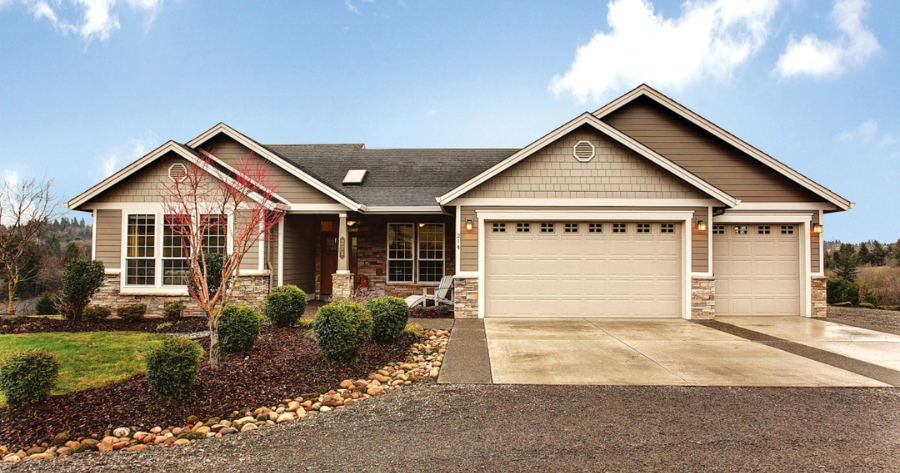
Current Housing Challenges for Older Adults
Through my recent consultations with federal housing advocates and urban development specialists, I’ve discovered a sobering reality: nearly 28% of senior homeowners and a staggering 56% of elderly renters are now spending significantly more than 30% of their gross income on shelter. According to the 2025 National Senior Housing Affordability Report, this financial strain has reached a critical peak, particularly for those whose only source of income is a fixed Social Security check.
What I found especially heartbreaking in the 2025 data was the "hidden sacrifice" made by our elders. A study conducted by the Institute for Geriatric Wellness in early 2025 revealed that roughly 20% of seniors living in market-rate housing have admitted to skipping medical prescriptions or reducing their caloric intake just to ensure their rent check doesn't bounce.
How Income-Based Housing Programs Work
When you hear about "$400 apartments," it is rarely a fixed price set by a landlord. Instead, it is almost always a reflection of an Income-Based Rental Model. During my research, I found that while specific local rules apply, most programs adhere to a standardized federal math problem:
Monthly Rent Payment = (Monthly Adjusted Gross Income) × 0.30
For instance, if a senior’s adjusted monthly income is $1,330, their rent is capped at approximately $400. It’s important to note that "adjusted" income allows for deductions of documented medical out-of-pocket costs, which can lower the rent even further for those with chronic health needs.
2025 Comparison of Major Rental Assistance Programs
| Program Type | Eligibility (2025) | Wait Time Est. | Core Advantage |
|---|---|---|---|
| Section 202 | Ages 62+; Very Low Income | 24 - 40 Months | On-site service coordinators & safety features |
| Section 8 (Vouchers) | Low/Very Low Income | 12 - 36 Months | Portability; can be used in private rentals |
| LIHTC Housing | 60% of Area Median Income | 6 - 18 Months | Modern buildings; shorter waitlists |
Real Experience: Arthur’s Housing Journey
I met Arthur, a 75-year-old former high school teacher in Phoenix, while attending a local housing seminar. Following a medical emergency that drained his savings, he found his $1,400 rent impossible to maintain on his $1,600 pension. Here is the path he took to secure stability:
- Discovery Phase: He utilized the Eldercare Locator to find a HUD-certified housing counselor in Maricopa County.
- Application Strategy: Under advice, he applied to seven different "Project-Based" Section 8 buildings simultaneously.
- Verification: He compiled three years of tax returns, his 2025 Social Security Benefit Statement, and six months of pharmacy receipts.
- The Wait: It took 19 months of checking in quarterly with the property managers.
- The Result: Arthur now lives in a senior-dedicated complex where his rent is exactly $480 (30% of his income).
Arthur told me, "I spent months in fear of a 'Notice to Quit.' The secret wasn't just the application; it was the follow-up. You have to be your own best advocate or find a counselor who will be."
State-Level Variations in 2025
Florida’s Approach
- 2025 Initiative: The "Sadowski Fund" saw a record $300 million injection for senior-specific developments.
- Unique Benefit: Priority placement for veterans and their surviving spouses in assisted-living hybrids.
New York’s Response
- Focus: SCRIE (Senior Citizen Rent Increase Exemption) programs.
- 2025 Update: Income eligibility for rent freezes was expanded to $55,000 annually to combat urban inflation.
Frequently Asked Questions (Q&A)
What happens to my rent if my Social Security COLA increases?
In most 2025 income-based programs, your rent is recalculated annually. If your Cost-of-Living Adjustment (COLA) increases your income, your rent will typically rise by 30% of that increase. For example, a $50 monthly raise in benefits would result in a $15 rent increase.
Can I be evicted from subsidized housing for medical reasons?
No. Under the Fair Housing Act and Section 504, seniors cannot be evicted simply because they require more care. However, if the facility cannot provide the "level of care" required for safety, they may work with you to transition to a higher-care setting.
Are "Luxury" $400 apartments a scam?
Exercise extreme caution. While legitimate subsidized housing can be very nice, advertisements for "Luxury 1-Bedrooms for $400" on social media often lead to phishing sites. Always verify through HUD.gov or your local Public Housing Authority (PHA).
Disclaimer: This article is for educational purposes only and reflects housing market trends and federal guidelines as of mid-2025. Wait times, income limits, and funding are subject to change based on Congressional appropriations and local PHA policies. Always consult with a legal aid attorney or a HUD-approved counselor before signing a lease agreement.
Navigating Senior Housing Options For The 55+ Community
You May Like

Exploring Home Choosing Solutions For The 55+ Seniors

How To Navigate Housing Selection As A Senior: A Step-by-Step Guide