Airbnb is a peer-to-peer home rental platform where hosts list rooms, apartments, and whole houses for short stays. This guide walks through the booking flow once, and it focuses on the part nobody talks about in the ads: the final price, the fees hiding underneath it, and how to compare an Airbnb against a hotel without guessing.
What You Need Before Starting
- An Airbnb account. Booking usually requires identity verification, and a government ID is part of the process for most first stays.
- Your destination and exact dates, plus the number of guests. Filters narrow the search fast, so know these before you open the app.
- About twenty minutes for a careful first booking. The search is quick; the price breakdown is where the time goes.
Step 1: Search With Filters That Match Reality
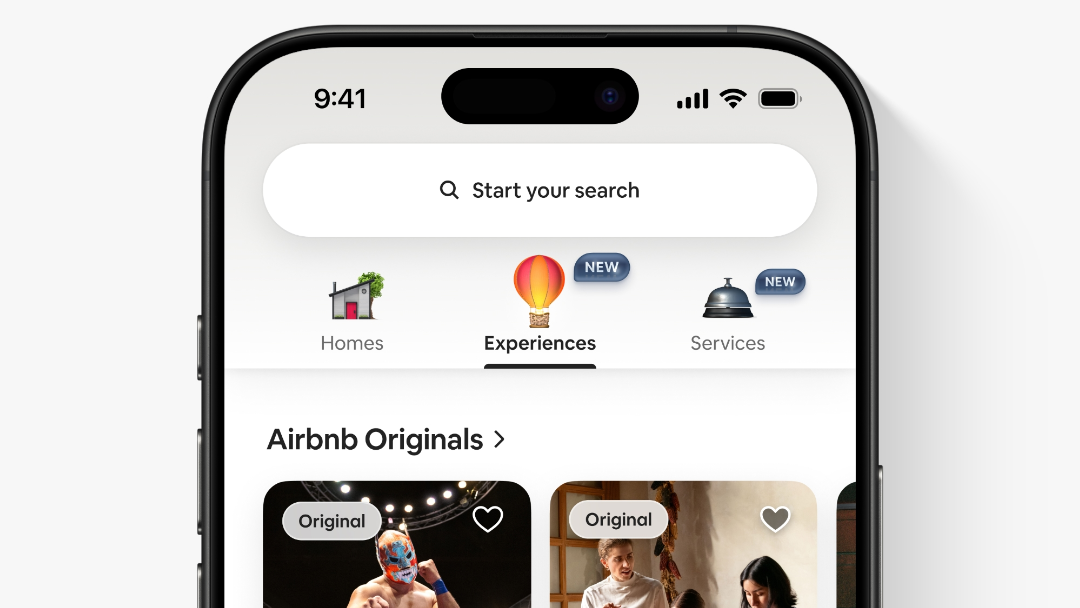
Enter the city, dates, and guest count, then open the filters. The ones that matter most for a first booking are the property type, the number of bedrooms, and the amenities that affect how you actually travel, like parking, a washer, or self check-in. Set the guest count accurately. Additional-guest fees exist on many listings, and editing the count after checkout changes the price.
Switch the display to show the total price for your dates, not the nightly rate. Many listings look cheap at first and stop looking cheap after the fees pile on.
Step 2: Read the Price Breakdown Before You Believe Any Number
The search results show a daily rate, but the final screen tells the real story. The breakdown usually includes a cleaning fee set by the host, a guest service fee that typically runs between about 14% and 16.5% of the booking subtotal, and local occupancy taxes. Cross-currency bookings can push the service fee toward the higher end, so consider checking out in the listing's local currency.
Here is a common trap: a one-night or two-night stay can look fine until the cleaning and service fees are divided across two nights. On a short trip, a hotel with everything included is often the cheaper and simpler call.
Step 3: Compare the Total Against a Hotel on the Same Dates
Open the same dates for a midrange hotel nearby and write down the all-in number. For trips of one or two nights, the hotel frequently wins. For stays of a week or more, the flat fees spread across more nights, and an apartment with a kitchen and a washer often swings the math back in Airbnb's favor.
Two specific situations tip it decisively: groups of four or more, where one whole place beats multiple hotel rooms, and long stays, where weekly and monthly discounts can cut the nightly cost noticeably.
Step 4: Check the Listing's History and Legality
Look for a listing with many recent reviews from guests with completed stays, and read a few of the most recent ones. New listings with professional photos and zero reviews are not automatically bad, but they carry more uncertainty for your first booking.
In cities with strict short-term rental rules, like New York, Barcelona, or parts of Hawaii, some hosts must display a registration or license number. If you see no license where the city is known for regulations, send a polite message asking whether the host has the required permission. An evasive answer is a reason to look elsewhere.
Step 5: What to Do About the Total Not Matching the Ad
Trust the checkout total, not the search thumbnail, and consider it your budget number. If the total is more than a hotel and the amenities are not something you would actually use, the Airbnb is not a saving, it is a different product. Keep the reservation only when the total trades fairly for what you get: privacy, a kitchen, space for a group, or a neighborhood a hotel chain does not serve.
The Mistakes I Made So You Do Not Have To
- Booking one city, two rentals, two nights each, and paying the cleaning fee twice. One rental for four nights often costs less than two rentals for two nights each.
- Skipping the review reading because the photos were pretty. The fourth recent review, not the first, is where the truth about check-in lives.
- Leaving the currency at my home setting and eating the cross-currency service fee bump. Checking out in the listing's local currency is the cleaner default in many cases.
Settings and Habits Worth Knowing
- Save the date and guest filters as a favorite so repeat searches do not drift.
- Enable self check-in where possible, so arrival does not depend on meeting the host.
- Messages inside the app are the safest channel, and they are also the record if something goes wrong.
When Things Go Wrong
Check-in details have not arrived
Open the reservation in the app, use the contact host option, and check the listing description for entry instructions. Most hosts respond within a few hours.
Booking canceled before the trip
Cancellations follow the listing's cancellation policy, and the platform is the point of contact for disputes. Keep the in-app conversation as the evidence trail.
The place does not match the listing
Document it with photos in the app, message the host, and if it is not resolved, raise the issue through the resolution center within the stated window.
Questions People Ask Before Their First Booking
Is Airbnb cheaper than a hotel?
Sometimes, and sometimes not. Short stays often lose to hotels once cleaning and service fees are counted; stays of a week or more, groups of four or more, and places that need a kitchen usually tip back toward Airbnb.
What fees does Airbnb charge guests?
Guests typically pay a service fee of about 14% to 16.5% of the booking subtotal, plus any cleaning fee set by the host and local taxes. Cross-currency bookings can raise the service fee toward the higher end.
Do I need to provide ID to book an Airbnb?
Most first-time bookings require identity verification with a government ID such as a passport or driver's license.
How do I avoid getting scammed on Airbnb?
Book through the app, never pay outside the platform, prefer listings with many recent reviews, and treat any request to move the payment off-platform as a red flag.
Can I negotiate the price?
Politely asking a host for a better rate for specific dates is normal on Airbnb, especially for longer or off-peak stays, and some hosts set weekly or monthly discounts.
What to Do Next
Compare your three shortlisted rentals against each other and one hotel using the total-before-taxes number, then book the one that trades fairly for your dates. That habit, repeated once per trip, is how Airbnb stops surprising you.
Safety Note and Disclaimer
Our website is a third-party distribution and information site, not the official app store or the app developer.
Download only from a source you trust and verify the source.
Review the permissions the app requests and decline anything that looks excessive.
Keep your device's security settings and antivirus up to date.
Prefer official stores (Google Play) when the app is available there.
This article is an independent overview and is not affiliated with the app's developer.