How To Understand Ethnicity Estimates In DNA Ancestry Testing
Your True Roots Are Closer Than You Think
Your results suggest that two regions of you naturally show up around people—one of them matches your features the most.
One of Them Feels Like The Place Everyone Sees
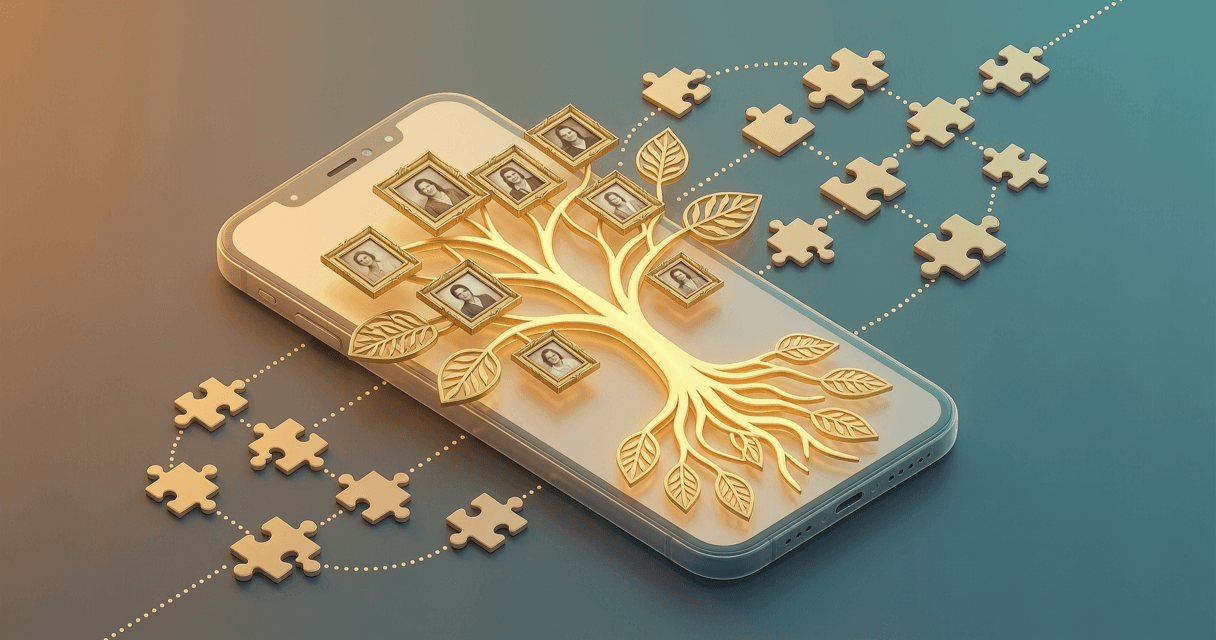
Have you ever wondered exactly where your distant ancestors truly originated? You might feel genuinely curious about the hidden stories locked within your unique genetic code. We will guide you through a clear path to uncover those fascinating connections. Are you ready to start exploring your personal family background today?
Many people begin this exciting journey with simple questions about their distant past. You can easily navigate the entire process by following a few careful steps. Understanding how modern science works will save you considerable time and confusion. Let us show you exactly how to begin your exploration right now.
Why DNA Ancestry Testing Is Worth Your Time
To help you understand the true value, consider these key advantages.
- You gain access to detailed regional breakdowns that traditional records often overlook completely.
- You can connect with distant relatives who share similar genetic markers across generations.
- The process offers a clear window into historical migration patterns across continents.
- You receive personalized trait insights that complement your broader ancestry research.
- Community features allow you to collaborate effectively with fellow family historians.
With those benefits in mind, you can start the practical process today.
Step-by-Step Guide to DNA Ancestry Testing
Step 1: Select the Right Testing Kit for Your Goals
To begin this journey properly, you should compare database sizes before purchasing a kit. Major platforms often specialize in specific continents, so matching your heritage helps significantly. Reading recent user reviews can reveal which company offers the most reliable results. Which platform aligns best with your personal research goals?
Step 2: Submit Your Sample and Register the Code
Once you have selected a provider, the collection phase begins immediately. Following the collection instructions carefully ensures your sample reaches the laboratory properly. You will register the unique barcode on the company portal to activate your account. Are you prepared to wait a few weeks for the initial analysis?
Step 3: Understand How Ethnicity Estimates Are Calculated
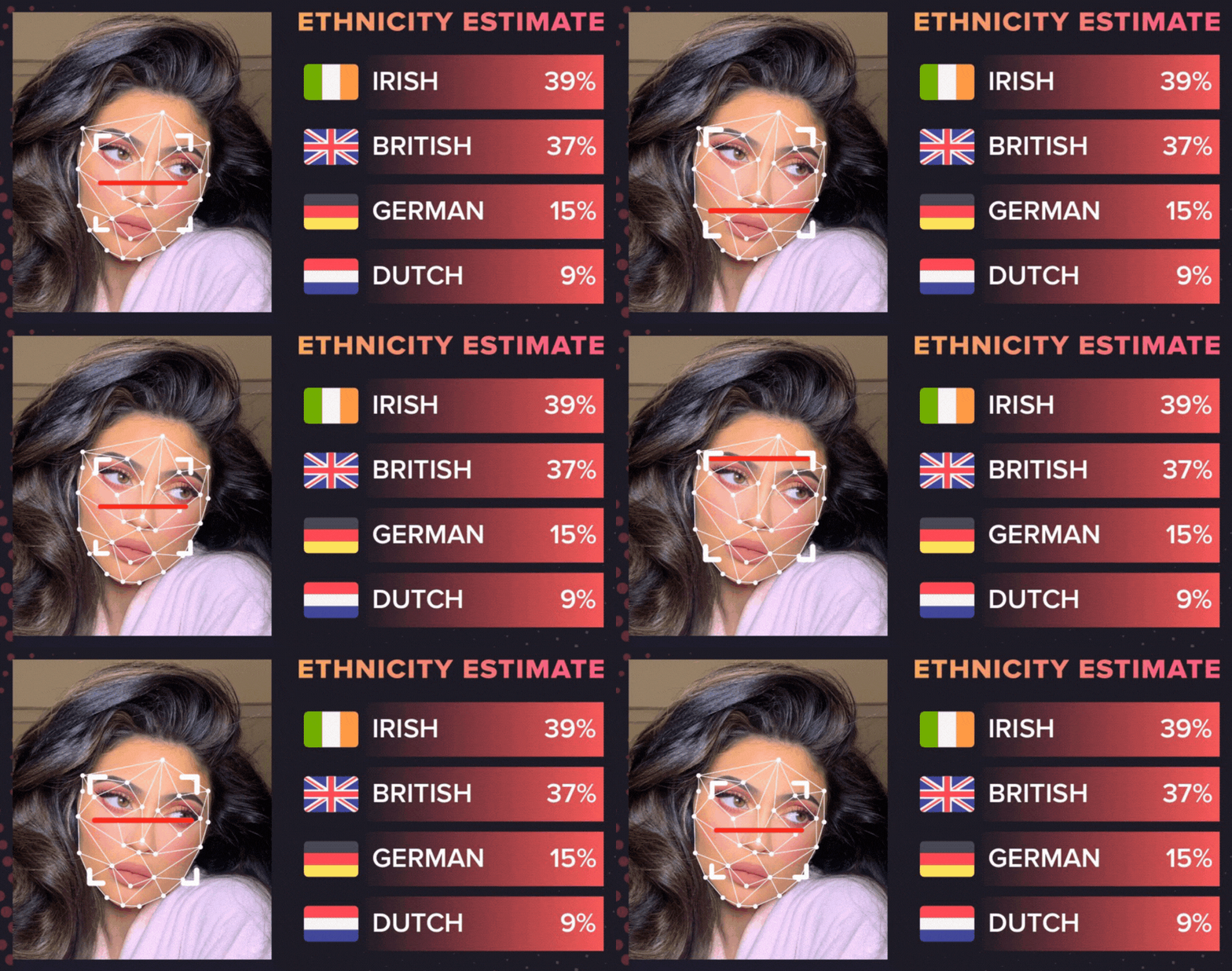
After your sample clears the lab, the interpretation phase arrives. You will notice specific percentages assigned to various global regions on your main dashboard. These figures represent careful statistical comparisons against established reference populations gathered from diverse communities worldwide. Keep in mind that scientific algorithms update regularly, so your initial numbers may shift slightly over time. How do you plan to track these gradual changes in your personal report?
Step 4: Dive Deep Into Regional Breakdowns
As you examine these initial results, deeper exploration becomes highly rewarding. You can click on each highlighted area to view detailed historical migration timelines. The platform will show you exactly how ancient populations moved across different continents over centuries. Examining these detailed maps helps you distinguish between closely related neighboring groups effectively. What historical stories might your specific regional mix reveal about your family?
Step 5: Upload Raw Data to Third-Party Platforms
Following your initial analysis, expanding your research through external tools makes sense. You can download your original genetic files directly from your secure account hub. Uploading these files to independent analysis sites often unlocks additional heritage insights for you. Many specialized tools interpret your unique markers through alternative scientific models and databases. Have you considered exploring these supplementary platforms for a broader perspective?
Step 6: Review Genetic Matches and Contact Potential Relatives
After gathering external insights, connecting with others completes the experience. Your dashboard will display a list of people who share significant DNA segments with you. You can filter these results by shared centimorgans and predicted relationship categories. Sending a polite message through the platform often opens a friendly dialogue. Who in your match list might hold the missing family puzzle pieces?
While the process offers exciting discoveries, certain limitations deserve your attention.
Challenges to Be Aware Of
- Reference databases may lack sufficient representation from certain underrepresented global regions and communities.
- Algorithm updates can occasionally cause noticeable shifts in your previously reported percentage breakdowns.
- Privacy concerns require careful review of data-sharing policies before you submit your sample.
Conclusion
Exploring your genetic background offers a fascinating journey into your personal family history. You now understand the essential steps for selecting kits, reading estimates, and managing your digital data. Taking your time with each phase ensures you gather meaningful and accurate insights. Are you ready to start piecing together your unique ancestral story today?
FAQ
Why do my ethnicity percentages change over time?
Testing laboratories regularly update their complex algorithms and actively expand their global reference panels each quarter. These continuous improvements allow for more precise regional comparisons and highly refined percentage calculations across multiple generations. You may notice slight adjustments as newer population data becomes available within the main analytical system. Review the official methodology page to understand their specific confidence intervals better.
How accurate are ethnicity estimates for mixed heritage?
The results typically provide a strong statistical approximation of your ancestral origins. Broad continental categories tend to show higher consistency than narrow regional labels. You might find that broader percentages remain stable while minor labels fluctuate slightly. Explore the platform tutorial section to learn how to interpret overlapping regional markers accurately.
Can I delete my genetic data after receiving my results?
Most platforms offer clear account management options for data removal or sample destruction. You should navigate to the privacy settings and locate the deletion request button. Processing these requests usually takes a few business days to complete fully. Visit the support center if you need step-by-step guidance for this process.
Should I share my raw data with third-party analysis sites?
Independent platforms often provide specialized reports that complement your original ancestry results. You should always review their privacy policies and data retention rules first. Many users find valuable additional insights by cross-referencing multiple scientific models. Explore their security documentation before uploading your genetic files.
How To Use DNA Nationality Testing Based On Appearance For Your Gaming Characters
You May Like

How To Find Out About Your Family History: A Step-by-Step Beginner’s Guide