
How To Choose Compliant Peptides And Avoid Online Scams
More Options Fit You Than You Think
There are clues that your body is asking for targeted support—and one peptide choice is much closer than you think.
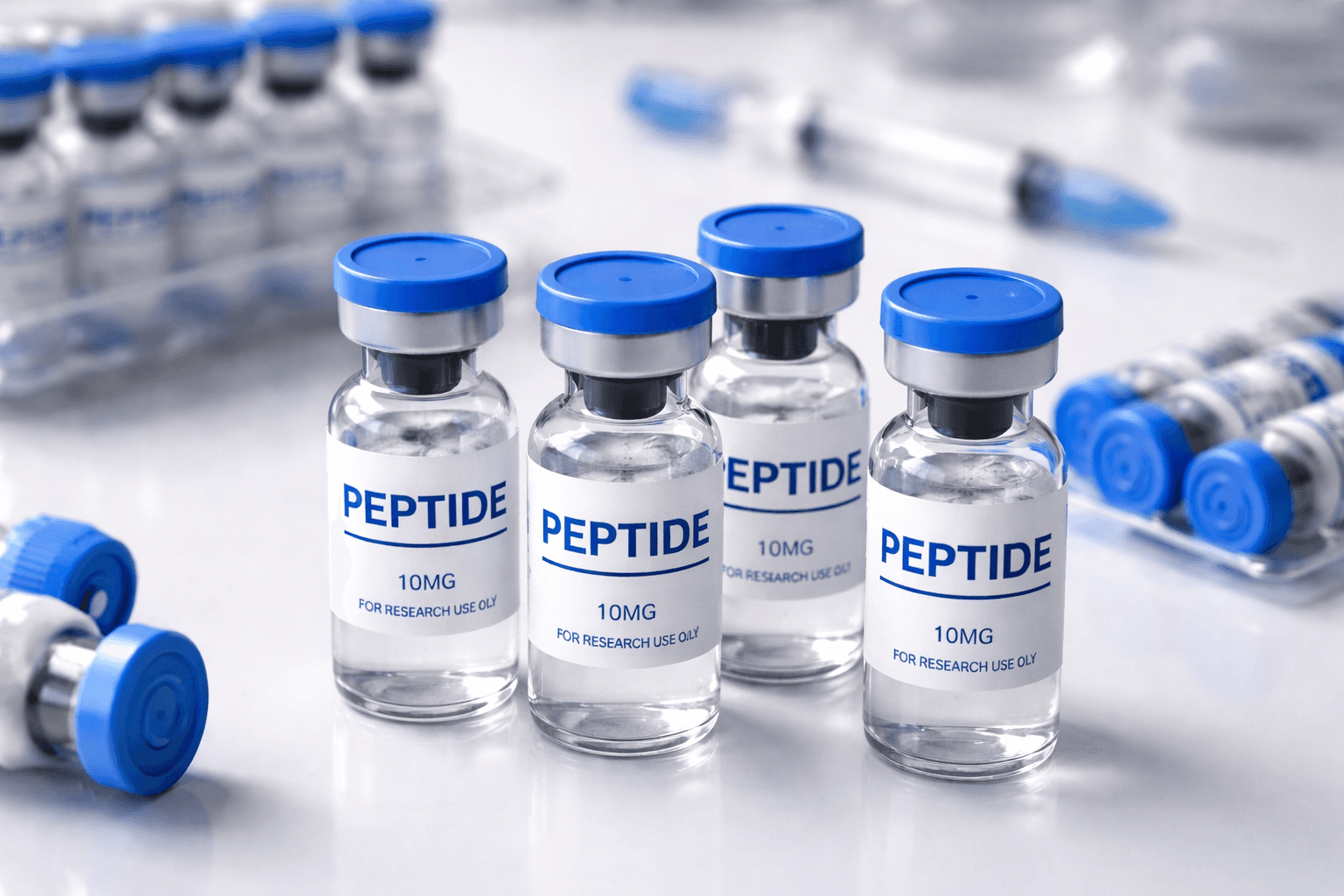
Navigating the digital marketplace for specialized research compounds often feels overwhelming initially. You likely want reliable materials without encountering hidden procurement pitfalls. Have you considered how supplier transparency directly impacts your experimental outcomes? Let us explore the essential verification steps that protect your valuable projects.
Many enthusiasts encounter misleading listings that promise completely unrealistic results. You deserve accurate documentation alongside transparent manufacturing practices. Are you ready to spot the subtle warning signs of unreliable vendors? Building a systematic vetting routine will help you secure compliant peptides.
Why Peptide Sourcing & Safety Is Worth Your Time
Following this initial assessment, you should transition toward understanding the core advantages. You can apply these concepts through a structured evaluation framework. Are you prepared to follow a systematic approach today?
- Access to verified documentation streamlines your experimental design process significantly. You gain clear insights into compound composition before beginning any trials.
- Independent testing reduces the likelihood of receiving impure compounds unexpectedly. You can confidently proceed with your established research parameters.
- Transparent supply chains foster long-term trust with reputable suppliers. Your procurement routine becomes more predictable over time.
- Proper compliance checks protect your projects from regulatory complications. You maintain a consistent standard across all acquisitions.
- Structured verification methods save valuable time during sourcing phases. Does your current routine prioritize these essential safeguards?
Step-by-Step Guide to Peptide Sourcing & Safety
Building upon these foundational benefits, we will outline a practical implementation strategy. You can apply these core concepts through a structured evaluation framework. Will you adopt this methodology during your next procurement cycle?
Step 1: Define your specific research parameters before exploring potential suppliers.
You should establish clear purity thresholds alongside required documentation standards. This preparation prevents unnecessary delays during the initial selection phase. Have you outlined your exact material requirements yet?
Step 2: Review publicly available business credentials and historical market presence.
Checking registered business details provides a reliable foundation for your evaluation. You can identify established companies that prioritize operational transparency. Which vendors currently meet your initial screening criteria?
Step 3: Request comprehensive Certificates of Analysis directly from the primary vendor.
Obtain current batch documentation to verify internal quality claims accurately. You need specific purity percentages and synthesis methods clearly stated. Does the provided paperwork align with your research standards?
Step 4: Cross-reference vendor documentation with independent laboratory results.
Compare the internal reports against third-party analytical data for accuracy. You will likely spot discrepancies that reveal hidden inconsistencies. Are the analytical methods consistently applied across both reports?
Step 5: Verify third-party testing methodologies and batch tracking systems.
Investigate the accreditation status of the external laboratories conducting the tests. Reliable tracking codes ensure full traceability for every production run. Can you easily locate previous batch records for comparison?
Step 6: Evaluate customer feedback patterns and return policy transparency.
Analyzing community discussions reveals real-world experiences beyond standard marketing claims. A straightforward return process indicates confidence in product consistency. Which communication channels do you find most responsive?
Challenges to Be Aware Of
Transitioning from execution to risk management requires careful consideration. You must anticipate potential obstacles that may arise during procurement. Are you prepared to navigate these common hurdles effectively?
- Navigating inconsistent regulatory frameworks across different jurisdictions requires careful attention. You must verify local compliance standards before placing any orders. Have you researched regional import restrictions thoroughly?
- Encountering delayed shipping or opaque inventory management systems may disrupt your timeline. Reliable suppliers communicate expected delivery windows clearly. How will your schedule adapt to potential logistical delays?
- Identifying subtle discrepancies in batch-specific documentation demands meticulous review. You should compare formatting styles and data presentation carefully. Are you prepared to request additional verification when needed?
Conclusion
Securing high-quality materials requires a methodical approach to supplier evaluation. You can confidently navigate the marketplace by prioritizing transparency and independent verification.
Will you implement these verification steps during your next procurement cycle? Consistent diligence protects your research integrity while minimizing unnecessary risks. Start building a reliable sourcing network today.
FAQ
What specific elements should you prioritize in a Certificate of Analysis?
You should focus on batch numbers, purity percentages, and testing dates. Reliable documents clearly outline the analytical methods used during verification. Cross-referencing these details helps confirm authenticity before finalizing orders. Review your current documentation against these standards today.
How does independent lab testing complement internal vendor reports?
Third-party laboratories provide unbiased confirmation of compound composition. You gain an additional layer of verification that highlights potential inconsistencies. This dual-approach reduces the likelihood of relying on inaccurate data. Consider requesting external testing for your next acquisition.
Are there specific storage guidelines that maintain compound stability?
Proper temperature control and moisture prevention remain essential for long-term preservation. You should store materials in sealed containers within climate-controlled environments. Following manufacturer recommendations ensures consistent experimental results. Adjust your current storage setup to match these guidelines.
Why do pricing structures vary significantly between different suppliers?
Manufacturing processes, testing methodologies, and quality control standards influence final costs. You are often paying for enhanced transparency and verified purity levels. Evaluating value beyond the initial price tag reveals long-term benefits. Compare comprehensive service packages before making your selection.